
 Lifecycle marketing
 Customer data management
 Email campaign production
 Search marketing
 CMS development
 Who we are
 How we work
 Case studies
 Testimonials
 Salesforce Marketing Cloud
 Braze
Braze HubSpot
 Marketo
 Pardot
 DataBricks
 Snowflake
 HighTouch
 RudderStack
 Segment by Twilio
 Videos
So, there’s a moment in every serious link-building operation when optimism gives way to reality.
It usually happens somewhere between your 300th unanswered outreach email and your fourth version of a follow-up spreadsheet that no one quite trusts anymore. The campaigns are running. The intent is right. The content is solid. And yet, things feel fragile. Like one missed reply, one lost thread, one misjudged follow-up could quietly undo weeks of work.
That’s the moment most teams either start cutting corners or start looking for a system.
At Mavler/s, we hit that moment a long time ago.
Not because link building stopped working, well, it didn’t.
But because doing it well, consistently, and at scale was becoming harder than it was meant to be.
Pitchbox entered our workflow around that inflection point, not as a silver bullet or a replacement for thinking, but as a way to bring order to a process that only works when it’s handled with care.
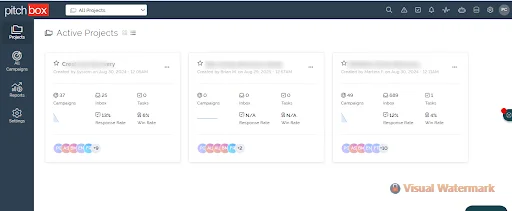
This is not a “why Pitchbox is great” blog.
On the contrary, it is a behind-the-scenes account of how we make it work for us inside a real link-building operation, where judgment matters more than dashboards and relationships matter more than response rates.
Bringing in the era of precision-based prospecting
We make use of Pitchbox to search for prospects using filters like;
~ Domain Authority/Domain Rating
~ Organic traffic
~ Location
~ Niche-specific relevance
~ Spam signals
Having these filters in place ensures we never waste time on irrelevant or low-quality sites.
Each campaign starts with clean, pre-qualified prospects, which leads to higher placements and stronger link equity for our clients.
Carrying out personalized outreach at scale
Many might be tempted to think at this juncture that automation tools might make outreach “robotic.”
Truth be told, we avoid that entirely.
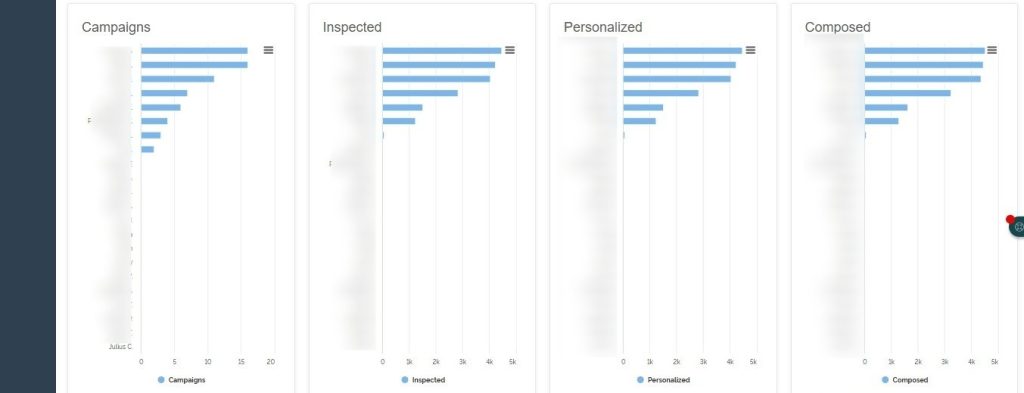
We use Pitchbox to create personalized email sequences, adjust messaging by niche, and A/B test subject lines and intros.
Every email still sounds like a human wrote it, because a human did.
In simple terms, this tool helps us to;
~ Speed up template management
~ Maintain follow-up cycles
~ Track responses and status
~ Never lose a conversation thread
The outcome is a smoother, more consistent outreach process.
Unveiling the real value of automation, resulting in more time for strategy
So, no one loses links because they didn’t work hard enough. They lose them because something slipped.
Maybe a reply got buried, or a follow-up went out too soon, or perhaps a teammate didn’t know a publisher had already responded.
Pitchbox is brutally good at preventing those mistakes. It doesn’t make our team smarter.
It makes us less likely to mess up.
And in link building, that difference is enormous.
In simple terms, this frees up our team to focus on what truly matters, such as crafting stronger pitches, finding niche-relevant link opportunities, and building long-term relationships with publishers.
On that note, it is essential to point out that automation supports our expertise rather than replacing it.
Saying hello to transparent reporting for clients!
One of the most underrated aspects of Pitchbox is what it does for client relationships.
We don’t use its real-time reporting to impress; instead, we use it to remove doubt.
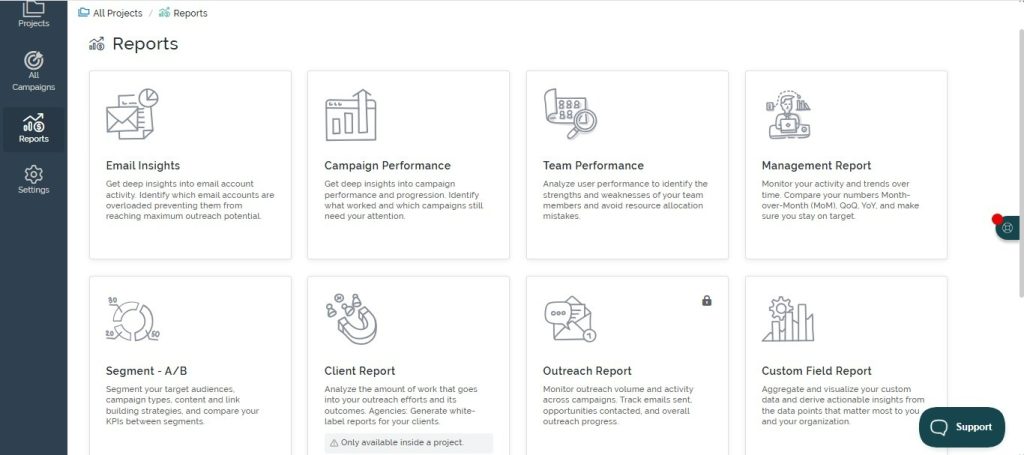
When clients can see who was contacted, who replied, what was accepted, and what went live, link building stops feeling abstract. It becomes tangible, verifiable, and understandable.
That transparency changes the tone of every conversation.
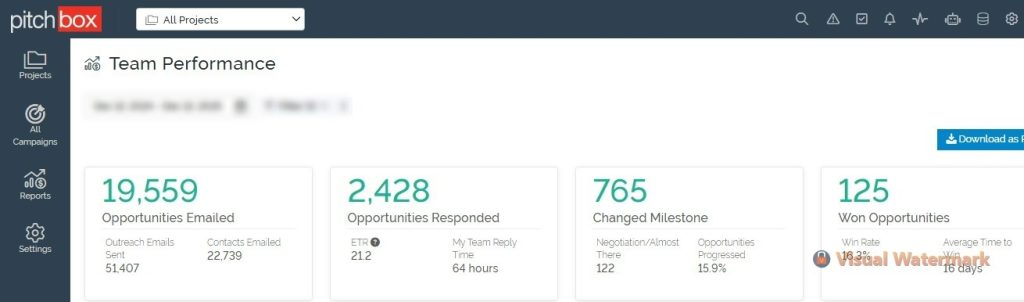
So, in summary, clients get complete visibility into the campaign from start to finish.
Building on better link quality and more substantial rankings
Since our Pitchbox campaigns focus on relevance, authority, low spam risk, and editorial standards, our clients consistently witness improvements in organic keyword rankings, domain rating growth, backlink quality, referral traffic, and overall search visibility.
So ultimately, it’s not about getting “more links,” it’s about attracting better links from real websites that matter in your industry.
Being clear about the limits of Pitchbox
Honestly, Pitchbox will not save a bad campaign.
It won’t make thin content appealing, won’t convince publishers who don’t see value, and definitely won’t compensate for poor targeting.
When used without judgment, it accelerates failure, and when used with experience, it protects good work from falling apart.
Understanding why Pitchbox fits well into Mavlers’ link-building strategy
So, in a nutshell, our link-building process is built on three pillars;
1. An unimpeachable emphasis on quality
We never pursue mass, low-value links. Pitchbox helps us maintain strict quality guidelines.
2. Scalable processes
Whether we’re working with one brand or managing 20 campaigns, the operations remain tight.
3. Human expertise combined with smart tools
Tools give us speed, and the right strategy delivers results. Pitchbox is simply the engine that powers our workflow, while the expertise still comes from our team.
An insight into how Pitchbox helped us to improve overall efficiency with quality links
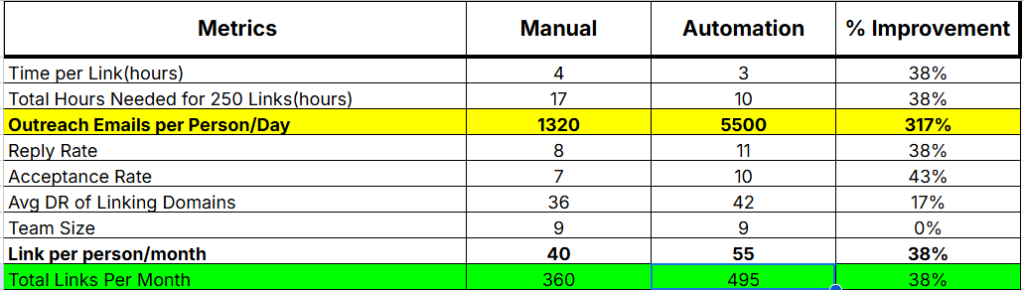
Here’s what worked for us!
– Our capability of sending more emails each day, per person, has increased.
– We got to have more prospects within the criteria in a single click, so we experienced better prospecting.
– Overall reply rate has increased.
– Our capability as a team to build a larger number of relevant links increased by 38%.
The road ahead
On that note, if you are wondering whether the tool is worth your hard-earned dough, you might want to read this next ~ Pitchbox review 2025: Is the $165/month link-building tool worth it?