
 Lifecycle marketing
 Customer data management
 Email campaign production
 Search marketing
 CMS development
 Who we are
 How we work
 Case studies
 Testimonials
 Salesforce Marketing Cloud
 Braze
Braze HubSpot
 Marketo
 Pardot
 DataBricks
 Snowflake
 HighTouch
 RudderStack
 Segment by Twilio
 Videos
Stabilizing data, improving deliverability, and driving efficiency: how Acima scaled SFMC success with a dedicated team from Mavlers
Industry: Financial Services (Lease-to-Own Retail Financing)

About Acima
Acima is a leading provider of lease-to-own solutions, helping customers access the products they need with flexible payment options. With a mission to empower consumers through accessible financing, Acima partners with thousands of retailers across the U.S. to deliver affordable leasing options and elevate customer purchasing power.
When growth outpaced structure: the barriers limiting campaign scale & data reliability

Unstructured Subscriber Key architecture
 Inconsistent Subscriber Key relationships across campaigns and journeys
- Multiple Subscriber Keys created for the same email address, leading to duplicate records in All Subscribers
- Inflated subscriber counts impacting Salesforce billing limits
- Fragmented engagement history and reporting accuracy
- Manual subscriber removals every 15–30 days, causing loss of historical tracking data and risk of deleting potential customer
- Duplicate Subscriber Keys sometimes triggered multiple sends to a single user

High manual campaign dependency
- Weekly, monthly, and ad-hoc campaigns relied heavily on manual processes
- Journeys and Automation Studio workflows lacked structured data relationships
- Campaign setup became time-consuming and error-prone
- Limited bandwidth for strategy and optimization

Limited data governance & hygiene controls
- Inconsistent Data Extension structures and under-optimized hygiene practices
- No preventive controls to stop duplicate subscriber creation
- Weakened segmentation accuracy, higher bounce rates, and inconsistent reporting

Deliverability & subscriber fatigue risks
- Overlapping targeting increased subscriber fatigue risk
- Lack of engagement-based suppression and optimized send timing
- Domain and IP configuration gaps affected inbox placement and campaign effectiveness
From reactive fixes to continuous optimization: the dedicated team approach
To support long-term platform stabilization and campaign scalability, Acima partnered through a dedicated half-time engagement model, ensuring consistent expertise embedded within their marketing operations.

Team structure
- 1 Salesforce Marketing Cloud SME
- 1 Campaign Manager & Developer

What this enabled
- Continuous oversight of data architecture and governance
- Faster campaign execution without heavy internal dependency
- Strategic and technical alignment across automation, deliverability, and reporting
- A scalable operating model without the cost of a full in-house team

Re-architecting SFMC for scale: data unification, automation & deliverability optimization
Working as an embedded team, the dedicated experts leveraged their Salesforce Marketing Cloud expertise to re-architect Acima's marketing setup and unlock the full potential of SFMC.
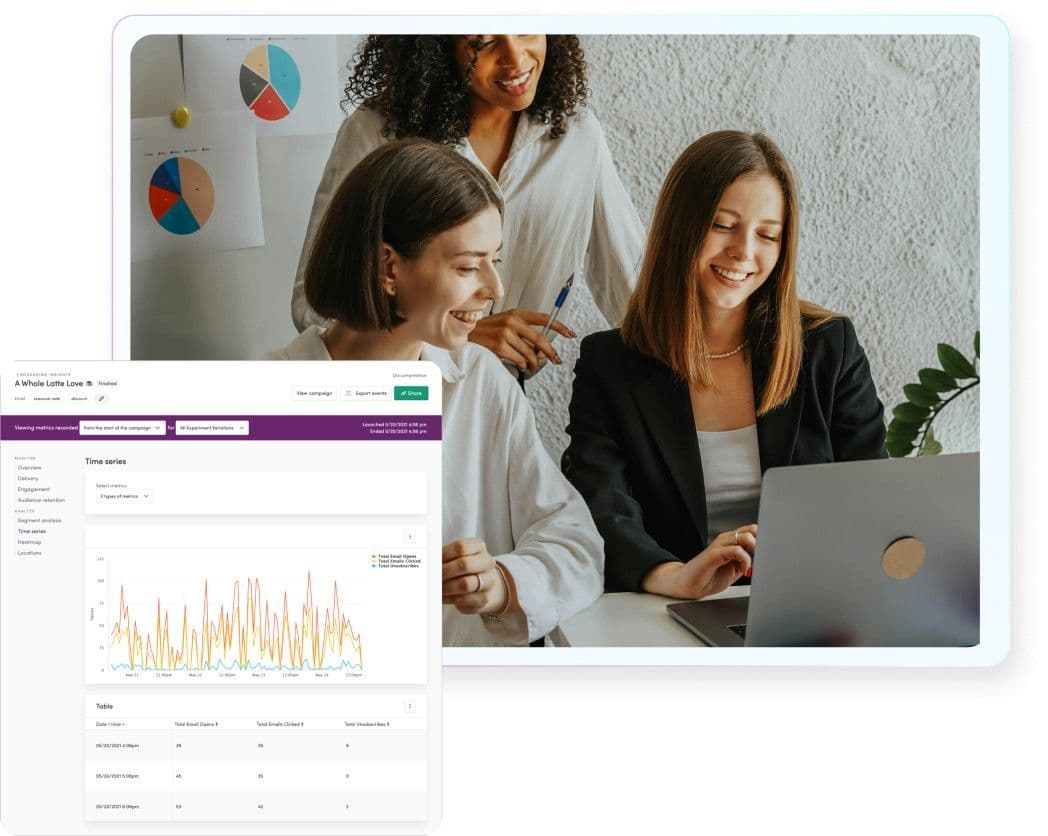
Subscriber key unification & data architecture correction
- Comprehensive audit across All Subscribers, Data Extensions, Journeys, and Automations
- Standardized Email Address as the unified Subscriber Key
- Identified and resolved records with multiple Subscriber Keys
- Redesigned recurring journeys and related Data Extensions to maintain consistent Subscriber Key relationships
Data cleanup with governance & reporting protection
- Created structured backup Data Extensions for engagement, bounce, and unsubscribe data
- Executed cleanup to remove non-aligned Subscriber Keys while preserving valid data
- Implemented governance controls, validation rules, and standardized data management practices

Automation & campaign optimization
- Reviewed and optimized Automation Studio workflows to streamline recurring ad-hoc, weekly, and monthly campaigns
- Restructured journey entry sources to control record injection logic
- Aligned Data Extension relationships and naming conventions to support scalability and structured execution
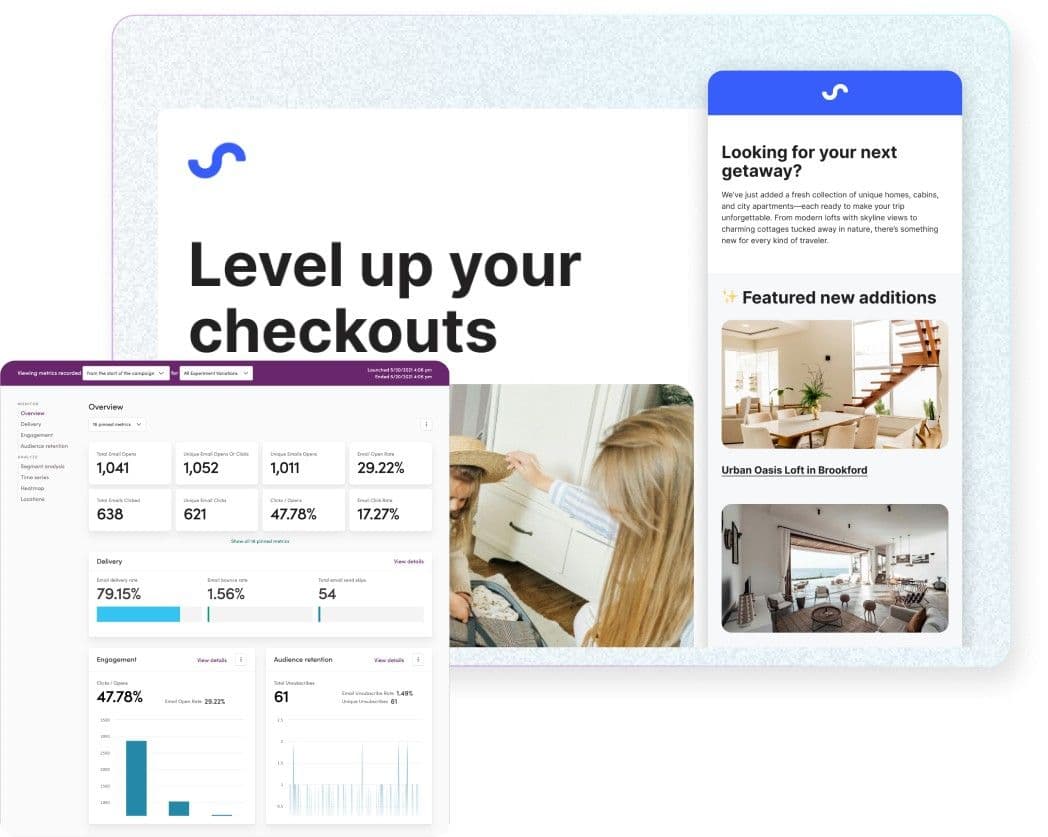
Deliverability & engagement enhancement
- Implemented Einstein Send Time Optimization (STO)
- Strengthened deliverability through IP warming, domain alignment, and authentication standardization
- Introduced engagement-based segmentation and suppression logic for controlled communication frequency and structured targeting
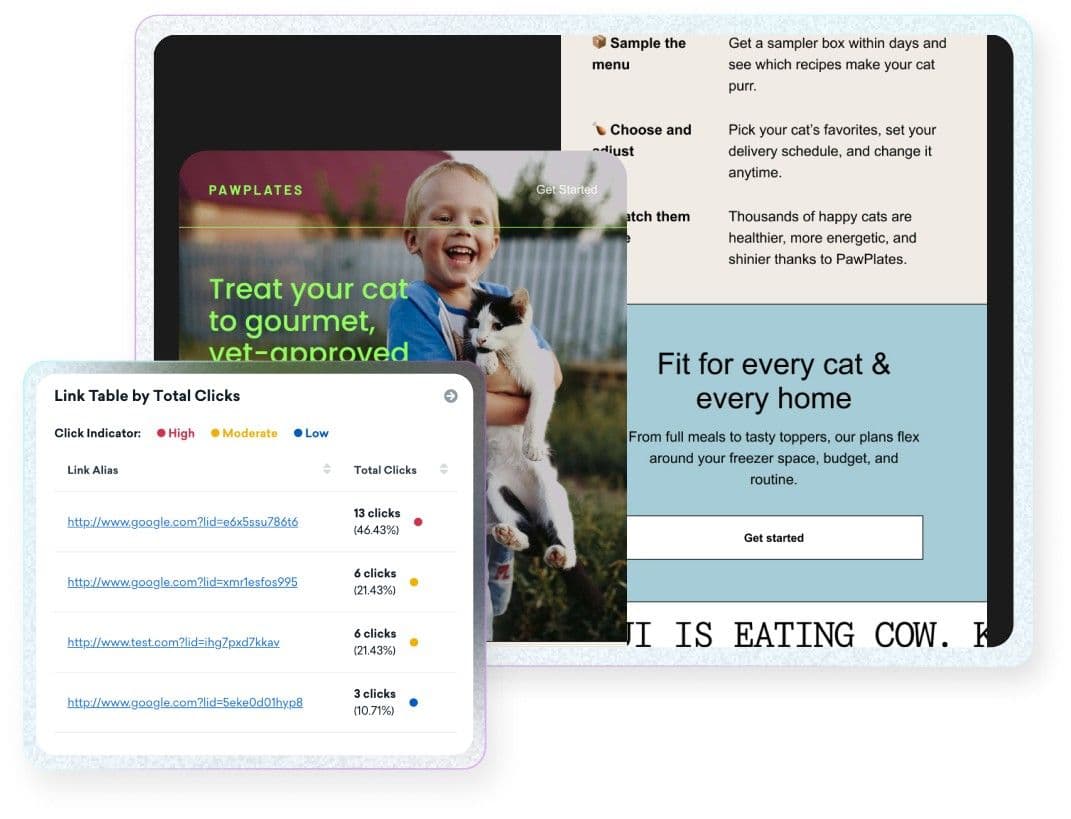
 Whether it's landing pages, email templates, or journeys in Marketing Cloud, Mavlers is a valuable part of our
team- making changes on
the fly, always there for support.

From data chaos to performance stability: the measurable impact
Data integrity & subscriber management
- ~80,000 duplicate records eliminated
- Removed the need for recurring manual deletions to control billing limits
- Unified Subscriber Key structure preserved historical engagement tracking
- Stabilized the database environment
Operational efficiency
- Optimized journeys and automation improved campaign execution efficiency
- Reduced manual effort across recurring campaigns
- Improved consistency and lowered operational risk
Deliverability & engagement
- Improved data hygiene and frequency management enhanced email performance
- Bounce rates declined
- Duplicate sends were eliminated
- STO contributed to improved open and click-through rates
Business impact
- Better control over Salesforce subscriber utilization
- Improved reporting accuracy with unified engagement visibility
- A more reliable and performance-driven SFMC foundation now supports ongoing growth
- The dedicated half-time team model provided ongoing governance, faster optimization cycles, and a stable SFMC operating framework for future growth